How to prepare your home for professional removals on moving day
Moving day has a way of turning a perfectly normal home into a maze of boxes, tape, half-packed drawers and missing kettle leads. If you are trying to work out how to prepare your home for professional removals on moving day, the good news is this: a little preparation makes a huge difference. It helps the removals team work faster, keeps your belongings safer, and cuts down on those awkward moments where someone is asking, "Is this bag staying or going?" while you are still looking for shoes.
Done well, preparation is not about being obsessively organised. It is about making the property safe, accessible and ready so the movers can do what they do best. In this guide, you will get a practical, room-by-room approach, plus expert tips, common mistakes, a proper checklist, and a realistic look at what professional removals teams expect on the day.
If you are comparing services as well as planning the move itself, you may also find it useful to look at removal services and packing and unpacking services for extra support where needed.
Table of Contents
- Why preparation matters
- How moving day preparation works
- Key benefits and practical advantages
- Who this is for and when it makes sense
- Step-by-step guidance
- Expert tips for better results
- Common mistakes to avoid
- Tools, resources and recommendations
- Law, compliance, standards, or best practice
- Options, methods, or comparison table
- Case study or real-world example
- Practical checklist
- Conclusion
- Frequently asked questions
Why How to prepare your home for professional removals on moving day Matters
Professional removals are efficient, but they are not magic. The team still has to get furniture through doorways, navigate stairs or lifts, protect fragile items, and load everything in the right order. If the home is not ready, the whole process slows down. That can mean more stress for you, more handling of your belongings, and sometimes avoidable delays.
Preparation matters because moving day is a chain reaction. One blocked hallway creates a bottleneck. One unlabelled box creates confusion. One loose cat, toddler toy, or pile of recycling near the front door can turn a smooth start into a morning of shuffling things around. Truth be told, removals teams have seen it all. The homes that work best are the ones where access, labelling and final checks have already been thought through.
It also matters from a safety perspective. Clear paths reduce trip hazards. Correctly packed boxes reduce breakages. And a home that is ready before the truck arrives means the team can get on with the job instead of waiting while you finish taping up a kitchen cupboard at the last second. We have all been there, just a bit too optimistic with timing.
Expert summary: A well-prepared home helps professional movers work faster, handle items more safely, and avoid unnecessary disruption. The aim is not perfection; it is practicality, access, and clear communication.
How How to prepare your home for professional removals on moving day Works
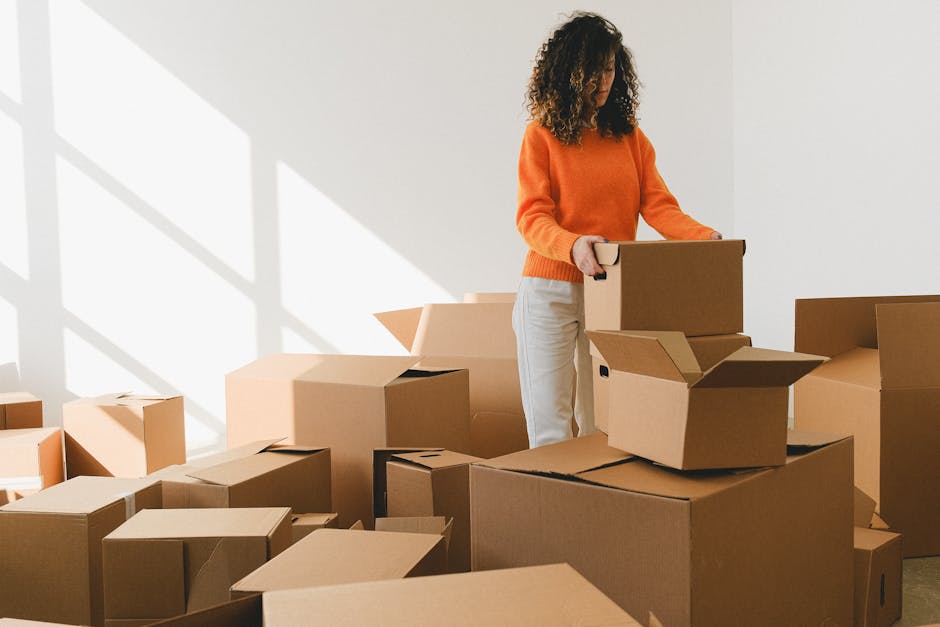
Preparing your home for removals is really a series of small tasks that come together before the van arrives. The process usually starts days in advance with packing, decluttering and deciding what will travel with you. Then, in the final 24 hours, the focus shifts to access, labelling, and making sure everyday essentials are separated from everything else.
On moving day itself, the removals team will normally want to move efficiently through the property, protect floors or furniture where needed, and load items in a sensible order. Larger pieces like wardrobes, beds, sofas and appliances often go first, while boxes are loaded so that heavier, sturdier items support the load. If there is a narrow staircase, awkward entrance, or tight parking situation, the team may need a little more planning beforehand.
This is also where communication helps. Tell the movers what is staying behind, what is fragile, and if anything needs special handling. A brief walkthrough at the start can save time later. In many cases, the difference between a calm moving day and a messy one is simply whether the house was ready for the first box, not the last.
Key Benefits and Practical Advantages
Preparing your home properly is not just about being organised for the sake of it. There are some very real benefits, and they tend to show up quickly once the removals crew starts working.
- Faster loading and unloading: Clear access and labelled rooms let the team work in a steady rhythm.
- Lower risk of damage: Well-packed items and empty walkways reduce bumps, scrapes and dropped boxes.
- Less stress for everyone: You are not trying to answer ten questions while also hunting for keys and trying to remember whether the toaster is packed.
- Better use of paid time: If you are paying for removals by the hour, good preparation can make a meaningful difference.
- Safer handling: Heavy items are easier to move when surrounding clutter has been cleared away.
There is also a practical emotional benefit. A tidy, ready-to-go house feels less like a disaster zone and more like a transition. That sounds small, but on moving day, small things count. A clear kitchen counter and an empty hallway can change the whole mood.
| Prepared home | Unprepared home | Typical impact |
|---|---|---|
| Clear hallways and stairs | Boxes, shoes, recycling and loose items everywhere | Faster, safer movement vs repeated stop-start delays |
| Rooms labelled by destination | Mixed boxes with no clear destination | Quicker unloading vs confusion at the new property |
| Fragile items packed separately | Fragile and heavy items mixed together | Lower breakage risk vs more handling mistakes |
| Parking and access arranged | No one has confirmed where the van can stop | Less wasted time vs avoidable waiting and lifting |
Who This Is For and When It Makes Sense
This advice is useful for almost anyone moving house, but it is especially valuable if you are dealing with a larger property, shared access, stairs, a tight parking space, or a move with children or pets in the mix. If you live in a London street where parking is tight and neighbours are close by, preparation becomes even more important. Nobody wants a moving van circling the block while everyone stands by the doorway looking mildly concerned.
It also makes sense if you have booked a professional team for a home move and want the day to run smoothly. People often assume the removals company will handle everything, and while they can manage the heavy lifting, the home still needs to be ready. If you want a broader view of what a domestic move may involve, the pages on home moves and house removals are useful starting points.
Families, flat-sharers, downsizers, first-time buyers, renters leaving a tenancy, and people moving after years in one place can all benefit. To be fair, the longer you have lived somewhere, the more likely you are to discover a "miscellaneous drawer" that somehow contains batteries, old receipts, birthday candles and a tape measure. Sort that drawer early. You will thank yourself later.
Step-by-Step Guidance
1. Declutter before you pack
Start by separating what is moving, what is being donated, what should be recycled, and what is going to the rubbish. Do this room by room if you can. It keeps the task manageable and stops unnecessary items from being packed and unpacked twice.
2. Finish packing early
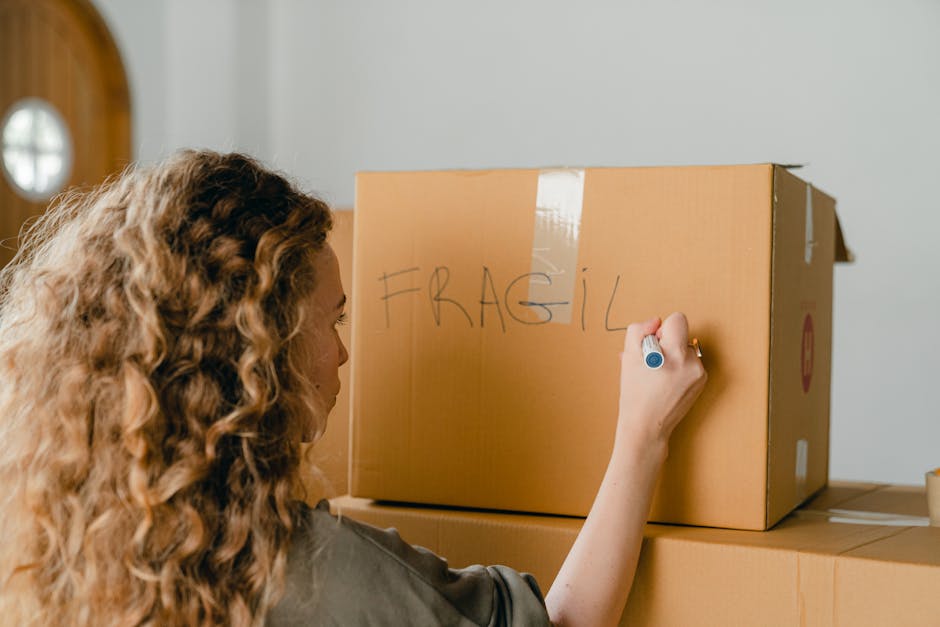
The aim is to leave only the absolute essentials out. That means no half-packed boxes on the morning of the move. Put each box in the room it belongs to and label it clearly on at least two sides. If you are using a removals team that also offers packing support, that can take a lot of pressure off the final day.
3. Separate essentials and valuables
Keep documents, keys, chargers, medication, laptops, passports, pet items and a change of clothes with you. Do not let them disappear into a van by accident. A small overnight bag for each family member can be a life-saver, especially if the move gets delayed and everyone is tired.
4. Clear access routes
Hallways, stairs, landings and door thresholds should be free from clutter. Remove mats that could slip, tuck away loose cables, and make sure the front path is not blocked by bins, bikes or plant pots. If a large item will need to come out first, measure the route and move anything that could catch or snag.
5. Protect surfaces and delicate areas
Movers often use blankets, covers or floor protection, but it is still sensible to prepare. Take down wall hangings near narrow corridors, clear fragile ornaments from shelves, and empty cupboards that need to be moved or checked. If there is a narrow staircase, a tight corner or freshly painted walls, mention it before the first item is carried.
6. Defrost and clean appliances
Fridges and freezers usually need to be defrosted in advance if they are coming with you. Check they are empty, dry and disconnected in good time. Washing machines and dishwashers may also need to be drained or disconnected according to the manufacturer's instructions. This is one of those jobs people leave too late, then regret at 7 a.m. when cold water is still dripping somewhere inconvenient.
7. Prepare furniture for dismantling
If beds, tables or large wardrobes need to come apart, gather the screws, fittings and instructions in one clearly labelled bag. Tape the bag to the item or keep it in a box marked for that room. Lost fixings are a classic moving-day headache, and honestly, they are never where you think they are.
8. Label destinations at the new property
Label boxes by room and, where helpful, by priority. For example: "Kitchen - first open," "Bedroom - bedding," or "Study - cables." That way, the van does not become a guessing game when everyone arrives at the new place and the light is fading a bit. Around late afternoon, clarity matters more than ever.
9. Confirm access, parking and timings
Make sure you know where the vehicle can stop, whether there are any time restrictions, and whether your building needs a lift booking or access code. In flats, it is worth checking loading access, lift size and stairwell width well before the day itself. Small detail, big consequence.
10. Do a final sweep before the team arrives
Walk through each room and check cupboards, lofts, sheds, bathrooms, wardrobes and under beds. People always forget one thing. Usually it is not something dramatic, just a charger or a folder or a favourite mug. Still, it helps to catch it before the truck door closes.
Expert Tips for Better Results
In our experience, the smoothest moves are rarely the fanciest ones. They are the ones where the homeowner has made sensible decisions early and kept the final day calm. A few practical tips can make a noticeable difference.
- Use colour labels for rooms: One colour for kitchen, another for bedrooms, another for loft or storage items. It is simple and surprisingly effective.
- Pack an "open first" box: Put tea bags, kettle, toilet paper, hand soap, scissors and phone chargers in one box you can reach straight away.
- Photograph cable setups: Take pictures of TVs, routers, consoles and desk wiring before unplugging them. Your future self will not remember how it all connected.
- Keep a little cash or payment card handy: Some day-of costs or small purchases crop up unexpectedly. Better to have it ready than to rummage at the wrong moment.
- Tell movers about awkward items: Pianos, large mirrors, antique furniture or bulky garden equipment should not come as a surprise.
A useful rule is this: if something would make you stop and think for more than five seconds, mention it before moving day. That applies to access, weight, fragility, and "I think it fits, but only just."
Another thing people overlook is noise and timing. If you live in a block or a close terrace, try to keep the most disruptive parts of the move within sensible hours and be considerate with shared areas. It is not just polite. It helps everything go more smoothly.
Common Mistakes to Avoid
Most moving-day problems are not disasters. They are small avoidable slips that pile up. Here are the usual suspects.
- Leaving packing until the morning: That is how chaos starts. The kettle should not be packed after the removals team arrives.
- Underlabelling boxes: "Stuff," "misc" and "miscellaneous" are not helpful room labels.
- Blocking walkways: Even a small pile of bags by the door can slow everyone down.
- Forgetting to empty appliances: Water, crumbs and loose shelves create mess and risk.
- Not checking access restrictions: Lift bookings, parking bays and time limits can affect the whole schedule.
- Mixing essentials with packed goods: If you need it on day one, keep it with you.
A lot of people also assume the movers will sort every detail on site. They can help, of course, but they are not mind-readers. A quick briefing is better than hoping someone guesses which box contains the Wi-Fi router. Spoiler: they will not.
Tools, Resources and Recommendations
You do not need a mountain of gear to prepare your home properly, but a small set of moving tools makes the job easier.
- Strong packing tape for sealing boxes properly
- Permanent markers for clear labelling
- Colour stickers or labels for room sorting
- Bubble wrap or paper padding for fragile items
- Zip bags for screws, cables and fittings
- Blankets or protective covers for furniture surfaces
- Bin bags and recycling bags for last-minute clearance
- Basic cleaning supplies for a final tidy-through
If you are comparing levels of help, look at whether you need full removals, just transport, or a more flexible vehicle option. Services such as man and van, man with a van, and moving truck hire suit different sizes of move. For larger homes or more involved moves, a more complete option such as house movers may be the better fit.
If sustainability matters to you, it is also worth thinking about what happens to unwanted items. Some removals companies offer responsible disposal or recycling support, and that can reduce waste while making your move feel more manageable.
Law, Compliance, Standards, or Best Practice
Moving house is not usually a heavily regulated experience for the customer, but there are still sensible standards and best practices to follow. If you are moving from a rented property, check your tenancy responsibilities in advance, especially around cleaning, key return, and leaving the property in a reasonable condition. For homeowners, it is still smart to leave the property secure, safe and tidy.
From a removals perspective, good operators should have clear policies on health and safety, insurance, payment, privacy and complaints. Those policies are part of trust, not just paperwork. If you want to understand how a company handles safety and responsibility, pages such as health and safety policy, insurance and safety, and payment and security are useful indicators of how the business is run.
Best practice on moving day usually means:
- safe lifting and carrying methods
- clear routes through the property
- proper handling of fragile and heavy items
- honest communication about access issues
- careful confirmation of what is being moved
If the move is complex, ask questions early. It is much easier to resolve something before the van is loaded than after the front door has shut.
Options, Methods, or Comparison Table
There is more than one way to prepare for removals, and the best method depends on how much time, energy and support you have.
| Preparation method | Best for | Pros | Cons |
|---|---|---|---|
| DIY full preparation | People with time and a structured plan | Lowest service cost, full control | More personal effort, higher risk of missed details |
| Partial support with packing help | Busy households or larger homes | Saves time, reduces stress, better packing quality | Higher overall spend than DIY |
| Full removals and packing support | Complex, long-distance or time-sensitive moves | Most efficient, least disruption, strong coordination | Most expensive option in many cases |
There is no single right answer here. If you are moving a small flat, DIY preparation may be enough. If you are moving a family home with furniture, fragile items and a tight schedule, a fuller service can be worth it. The real question is not "What is the cheapest?" but "What will keep the day calm and predictable?"
Case Study or Real-World Example
Consider a typical London two-bedroom flat move. The owners had a removals team booked for a Friday morning, but the apartment building had a narrow entrance, a lift that needed booking, and limited parking outside. Nothing dramatic, but enough to cause trouble if ignored.
Three days before the move, they labelled every box by room and packed an essentials bag for each person. The fridge was defrosted the night before, cables were photographed, and the hallway was cleared completely. They also warned the removals team about a heavy mirror, a small bookcase that needed dismantling, and a tricky turn on the staircase.
On the day, the movers arrived, did a quick walkthrough, and got straight on with it. There was no frantic packing, no hunting for tape, and no debate over where the washing basket should go. The move still took effort, of course. It always does. But it was controlled, not chaotic. And that is the real goal.
That sort of smooth handoff is what preparation buys you. Not perfection. Just fewer surprises.
Practical Checklist
Use this as a final moving-day checklist before the removals team arrives.
- All boxes are sealed and clearly labelled
- Fragile items are packed and marked properly
- Essentials bag is kept separate and easy to reach
- Furniture to be dismantled has fittings in a labelled bag
- Fridge, freezer and appliances are emptied and ready
- Hallways, stairs and entrances are clear
- Parking and access arrangements are confirmed
- Keys, important documents and valuables are with you
- Pets are secure and not likely to escape during loading
- Final room-by-room checks have been completed
- The removals team knows about any awkward or heavy items
- The new address and contact details are ready to hand over
Quick reminder: If something feels unfinished, it probably is. Take ten extra minutes to check the cupboards, loft, shed and under the bed. It saves far more time later.
Conclusion
Preparing your home for professional removals on moving day is really about removing friction before it starts. Clear access, good labelling, sensible packing, and a few practical checks can transform the experience from frantic to manageable. The removals team can do a lot, but the home itself needs to be ready to receive them.
If you focus on the basics, the whole day tends to settle into a better rhythm. Boxes move out in order. Furniture is handled with less stress. You spend less time answering the same question three times. And once the truck rolls away, you can breathe properly for the first time all day.
Get a free quote today and see how much you can save.
When the last box is loaded and the hallway finally goes quiet, that small bit of preparation will feel like a very good decision indeed.
Frequently Asked Questions
What should I do the night before removals arrive?
Do a final sweep of every room, finish sealing boxes, empty bins, clear hallways, defrost appliances if needed, and set aside essentials like chargers, documents and toiletries. It is also worth checking access, parking and keys one last time.
Do professional movers pack everything for you?
Not always. Some removals companies offer full packing services, while others only load, transport and unload. If you want help with wrapping, boxing or dismantling, confirm that in advance rather than assuming it is included.
Should I empty drawers before moving day?
Yes, in most cases. Lightweight clothing may sometimes stay in drawers if the movers approve, but heavy or fragile items should be removed. Check with the team before the day, because overfilled furniture can become unstable and awkward to carry.
How do I prepare a fridge and freezer for moving?
Empty them in advance, defrost them, dry them thoroughly, and disconnect them safely. Leave enough time for ice to melt and water to drain fully. This is one of those jobs that is much easier if you start early.
What is the best way to label moving boxes?
Label each box with the room it belongs to and, if helpful, a brief note about contents or priority. A simple system like "Kitchen - plates" or "Bedroom - bedding" works far better than vague labels. You want clarity, not mystery.
What should I keep with me on moving day?
Keep valuables, documents, keys, medication, wallets, phones, chargers, and an overnight bag with you. Also keep pet essentials and anything you may need before the first van is unloaded. Think of it as your moving-day survival kit.
How early should I start preparing my home for removals?
Ideally, start several days in advance, or earlier for a larger property. The bigger the move, the more time you need for decluttering, packing and planning access. Leaving everything to the final morning usually creates unnecessary pressure.
Do I need to clear the garden or shed too?
Yes, if items from the garden or shed are being moved. Tools, outdoor furniture, plant pots and bikes should be sorted and grouped early. These areas are often forgotten until the end, which is usually too late.
What if my building has tight stairs or no lift?
Tell the removals company in advance. Tight stairs, narrow landings and awkward corners affect how items are moved and may change the timing. Good planning helps avoid damage and reduces the chance of last-minute disruption.
Should I clean the house before the movers come?
A full deep clean is not usually necessary before loading begins, but you should clear away clutter and spills and keep paths safe. Many people prefer to clean properly after the final load has gone, which is often more practical.
Can I leave clothes in wardrobes for the move?
Sometimes, but only if the removals team agrees and the wardrobes are suitable. Light clothing in wardrobe boxes may be fine, but overloading furniture can make moving harder. When in doubt, remove the contents and box them properly.
What happens if something is left behind?
If you spot it early, the movers can usually help you deal with it before loading is complete. If the van has already left, retrieval becomes a lot more awkward. A final walk-through of cupboards, lofts and bathrooms is worth the effort.