Checking Removals Licences: Which Accreditation Matters
If you are comparing removal companies, the paperwork can feel a bit dull at first glance. Yet this is exactly where a smart decision starts. Checking removals licences is not about chasing logos for the sake of it; it is about finding out whether a mover is genuinely set up to handle your belongings, your property, and your peace of mind. The right accreditation can tell you a lot, but not every badge means the same thing. Some are essential, some are reassuring, and some are just nice-to-have. In this guide, we will break down which accreditations matter most, how to check them properly, and how to separate real professionalism from polished marketing.
Whether you are moving a flat in Chelsea, a family home, or a small office, the same principle applies: trust should be earned, not assumed. By the end, you will know what to look for, what to ask, and what to ignore.
Why Checking Removals Licences: Which Accreditation Matters Matters
Most people do not hire a removals team every day, so it is easy to focus on price and availability first. Fair enough. But if you skip the licensing and accreditation check, you may miss the very things that protect you when something goes wrong: insurance cover, handling standards, complaint routes, and basic legal compliance. That matters whether you are booking a man and van for a small job or arranging a full-scale house move.
A licence or accreditation does not magically guarantee perfection. It does, however, give you evidence that a business is operating in a more organised, accountable way. In removals, that often means better training, clearer processes, and more transparency around claims or disputes. To be honest, the difference can become obvious on moving day. One team turns up with no plan, no protective materials, and vague answers. Another arrives with the right kit, clear paperwork, and a calm approach to access, parking, and safety. You notice it quickly.
The key point is this: the accreditation itself is only useful if you know what it actually covers. Some people search for a "removals licence" as though there is one single national badge that solves everything. There is not. Instead, you need to look at a combination of business registration, insurance, transport compliance, trade membership, and service-specific standards.
Expert summary: In removals, the most meaningful checks are usually the ones that prove legal operation, insurance protection, vehicle compliance, and a transparent complaints route. Fancy branding is secondary.
How Checking Removals Licences: Which Accreditation Matters Works
The process is less about one document and more about a chain of verification. You are checking whether the company is real, insured, appropriately run, and suitably equipped for the job you need. That chain usually looks something like this:
- Confirm the business identity and trading name.
- Check insurance and safety information.
- Look at vehicle and transport compliance where relevant.
- Review any trade memberships or professional accreditations.
- Read policies on complaints, payments, and terms.
- Match the company's service claims to the actual move you need.
For example, a business offering house removalists should be able to explain how it protects furniture, manages lifting risks, and handles damaged items. A company supporting commercial clients through commercial moves ought to show even clearer operational discipline, because office and business moves often involve time pressure, shared buildings, and more complex access arrangements.
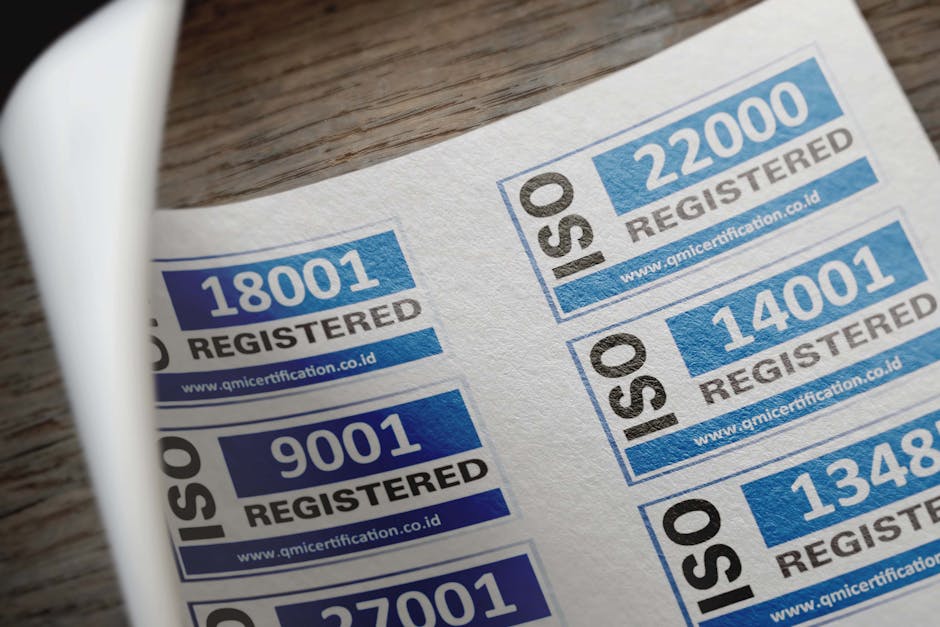
It also helps to understand what accreditation is not. A badge on a website might be a trade association membership, a voluntary code, or simply a marketing graphic. That does not make it fake, but it means you should not treat it as proof on its own. Ask what it means in practice. What standards does it require? Is it renewed annually? Does the business have to pass any checks? Simple question, but a useful one.
If you are moving in an area with tight streets, restricted parking, or basement access, the operational side matters just as much as the paperwork. That is why services such as moving truck hire, access planning, and the correct van size are part of the bigger picture too.
Key Benefits and Practical Advantages
Checking accreditations properly saves time, but more importantly it reduces risk. Here are the main advantages.
- Better accountability: Accredited or properly registered businesses tend to have clearer complaint and escalation processes.
- Improved insurance confidence: You are more likely to get straightforward answers about goods-in-transit or public liability cover.
- Higher service consistency: Businesses that invest in compliance usually invest in process too.
- Less chance of last-minute surprises: Things like parking restrictions, congestion, stair carries, or packing support are discussed earlier.
- Stronger trust for fragile or high-value items: Especially useful if you are booking packing and unpacking services or moving items that need careful handling.
There is also a commercial benefit. If you are comparing quotes, a slightly higher price from a properly accredited operator may offer better value than a cheap, vague quote from someone who cannot explain their insurance or complaint procedure. Lets face it, the lowest number on the page is not always the cheapest outcome once delays, damage, or rework are added in.
One small but telling sign: trustworthy companies usually have their policy pages available and easy to find. A mover that openly publishes its health and safety policy, insurance and safety information, and complaints procedure is generally making itself easier to check. That is a good sign, not a guarantee, but a good sign.
Who This Is For and When It Makes Sense
This matters for almost anyone hiring a mover, but the level of checking should match the size and risk of the job.
Home movers
If you are moving from a flat, terrace, or family home, accreditation checks help you avoid basic mishaps: uninsured damage, poor packing, or a van that is too small and forces a second trip. If you are planning a full domestic move, it is sensible to review options like home moves and compare them against any standalone van hire or labour-only service.
Office and business clients
For businesses, the stakes are higher because delays affect staff and customers. A company arranging office relocation services should be able to show clear operational control, insured handling, and sensible scheduling. A bit boring? Perhaps. But boring is exactly what you want when expensive equipment and deadlines are involved.
Customers with specialist or bulky items
If you are moving heavy furniture, retail stock, or disposal items, check whether the provider offers suitable support such as furniture pick up or removal truck hire. Accreditation matters more when the job is physically demanding or logistically awkward.
Anyone booking in a busy urban area
In London, access, parking, and timing can make or break the move. If the vehicle cannot stop safely or the team has not planned the route, everything gets harder. That is why checking the mover's operational legitimacy matters alongside the paperwork.
Step-by-Step Guidance
Here is a practical way to check a removals company without getting lost in jargon.
1. Confirm the business is clearly identifiable
Look for the trading name, contact details, physical location or service area, and company information. If all you find is a mobile number and a vague website, pause. Real businesses are normally comfortable being contactable in more than one way.
2. Ask about insurance first
Insurance is one of the most useful trust signals. Ask what is covered, what is excluded, and whether the cover matches the move you are booking. A small domestic job and a multi-floor office move are not the same thing. If you want to read more about how this is presented, see the company's insurance and safety guidance.
3. Check transport and vehicle readiness
Vehicles should be roadworthy, appropriately sized, and suitable for the job. For heavier or larger relocations, a company should be able to explain what vehicle type it uses and why. If you are comparing vehicle options, pages such as removal truck hire or man with van often help you understand the service difference.
4. Look for real policies, not just promises
Policy pages are useful because they reveal how a company handles complaints, refunds, cookies, privacy, safety, and payment security. It sounds administrative, but these pages tell you whether the business thinks like a business. A company that is transparent about payment and security is usually more structured overall.
5. Check the accreditation against the job
Do not ask only, "Are you accredited?" Ask, "Accredited for what?" A membership that is relevant to office relocation may not tell you much about handling heritage furniture. A sustainability credential may be useful if you care about waste reduction, but it does not replace insurance or compliance. If environmental standards matter to you, review recycling and sustainability too.
6. Compare quotes with the same criteria
Only compare like with like. One quote may include dismantling, wrapping, insurance, and packing support; another may not. The difference is often hidden in plain sight. If you need a helpful starting point, take a look at pricing and quotes before you assume the cheapest option is the best one.
7. Make a note of how they communicate
Quick replies, clear explanations, and sensible questions about access are all positive signals. If a company is evasive before the booking, it is unlikely to become more organised on move day. Simple as that.
Expert Tips for Better Results
After you have checked the basics, these extra steps can help you make a better decision.
- Ask for the exact wording of cover: "Insured" is too vague. You want to know what the policy actually covers.
- Check whether the accreditation is current: Memberships lapse, and websites do not always get updated straight away.
- Match service level to the move size: A one-room move and a four-bedroom relocation need different resources.
- Choose the company that asks questions: Good movers often ask about stairs, lifts, parking, and fragile items before quoting.
- Read the complaints process before you need it: Nobody enjoys that moment later, standing in the hallway with half the kitchen packed and no clear answer.
A small practical tip from real-world moves: if a company is vague about access, it often means the quote was rushed. And rushed quotes tend to unravel later. You can save yourself a headache by answering questions about the building honestly at the start, even the awkward bits. Narrow stairwell? Mention it. No lift? Say so. Loading bay around the corner? Definitely mention it.
Another good habit is checking whether the business operates with a broader support structure. For instance, a mover that also handles man with van work, storage-like support, or packing services may be better placed to adapt when the job changes on the day. Not always, but often enough to matter.
Common Mistakes to Avoid
Most problems come from skipping small checks that later turn out to be not so small.
- Assuming every logo is official: Some graphics are just marketing badges.
- Not checking the service type: A mover may be accredited in one area but not suited to your particular job.
- Ignoring insurance detail: Coverage levels and exclusions matter.
- Choosing on price alone: Cheap can be fine, but cheap with no clarity is risky.
- Forgetting about complaints handling: If the company has no visible route for resolving issues, that is a problem.
- Not asking about subcontractors: If another team will actually do the job, you should know that up front.
One of the more common mistakes, truth be told, is trusting a good-looking website too quickly. A polished homepage can hide a lot. Accreditation and licensing checks are the antidote to that. They are not glamorous. They are effective.
Tools, Resources and Recommendations
You do not need specialist software to check a removals company, just a sensible process and the right pages. Here are the most useful resources within a provider's website:
- About us for company background and service approach.
- Contact us for real-world accessibility and responsiveness.
- Terms and conditions for service scope and liabilities.
- Privacy policy to confirm how your details are handled.
- Modern slavery statement as an extra trust signal for larger or more corporate-minded operators.
For service selection, these pages can help you decide what level of support you actually need:
- Man and van for smaller, flexible moves.
- Home moves for domestic relocations.
- Office relocation services for business moves.
- Packing and unpacking services for time-poor households or work teams.
If you are based in west London, it can also help to compare local providers and see how different teams present their service details. A local business with a clear service page, policy set, and quote process often makes life easier. That is not a rule, just a pattern we see repeatedly.
Law, Compliance, Standards, or Best Practice
In the UK removals sector, compliance is a mix of legal obligations, insurance practice, and accepted industry standards. There is not one universal removals licence that every company must display, so readers should be cautious about claims that sound too neat or too absolute.
At minimum, a legitimate removals business should be operating in line with normal business, transport, and consumer expectations. Depending on the service, this can involve vehicle roadworthiness, relevant insurance, safe lifting practices, fair consumer terms, and proper handling of personal data. If a company is moving goods professionally, you would reasonably expect it to take safety and accountability seriously.
Best practice usually includes:
- clear insurance information;
- visible terms and conditions;
- a published complaints route;
- reasonable safety procedures;
- honest quoting based on the move details;
- accurate descriptions of what is and is not included.
For commercial clients, this becomes even more important. Office relocation work often involves access management, building rules, and more complex duty-of-care expectations. If a company can confidently explain those basics, that tells you a lot. If not, keep looking.
Options, Methods, or Comparison Table
Here is a simple comparison of the most common signals you might check when choosing a removals company.
| Signal | What it tells you | How much it matters | What to ask |
|---|---|---|---|
| Insurance information | Whether your goods and the property are protected | Very high | What is covered, and what exclusions apply? |
| Trade membership or accreditation | Whether the company aligns with a recognised standard | Medium to high | What checks does the accreditation require? |
| Published policies | How the business handles issues and data | High | Is there a complaints process and clear terms? |
| Vehicle suitability | Whether the company can safely complete the move | High | What size vehicle do you recommend for my job? |
| Quote clarity | Whether the price reflects the real work | Very high | What is included, and what would cost extra? |
If you are deciding between a small van service and a larger truck-based move, the comparison should not just be about price. Think about access, loading time, risk, and the amount of handling your belongings will need. A smaller service may be fine for a studio flat; a bigger move with stairs and furniture often needs a more complete setup.
Case Study or Real-World Example
Imagine a couple moving from a Chelsea flat to a house in another part of London. They have a sofa, a dining table, several boxes of books, and a fragile mirror that has been in the family for years. At first, they find a cheap quote from a van operator who says everything is "covered." That sounds fine, until they ask for insurance details and the answer gets vague. No policy wording. No complaints procedure. No clear plan for parking.
They then speak to a mover that explains the van size, asks about access, outlines what their insurance covers, and links them to the relevant service pages. The quote is slightly higher, but the process feels calm and structured. On moving day, the team arrives with blankets, straps, and a workable plan for the narrow road outside the building. Nothing dramatic. Just competent, steady work. The mirror makes it across without a drama, which, in removals, is basically a small victory parade.
That is the real value of checking accreditation and licence-related details: it helps you choose the company that can actually deliver, not just advertise well.
Practical Checklist
Use this checklist before you book.
- Have I confirmed the business name and contact details?
- Have I checked the insurance information in plain English?
- Have I reviewed the terms and conditions?
- Have I looked for a complaints procedure?
- Do I understand which accreditation or membership is actually relevant?
- Have I matched the service type to my move size?
- Have I asked about vehicle type and access requirements?
- Have I compared quotes like-for-like?
- Do I know whether packing, dismantling, or furniture handling is included?
- Have I checked whether the company's answers sound clear and consistent?
Small list, but it pulls a lot together. If a mover can get through that checklist cleanly, you are in much better shape.
Conclusion
Checking removals licences and deciding which accreditation matters is really about practical confidence. You are not trying to become a legal expert or inspect every certificate line by line. You are trying to find a mover that is honest, properly insured, and set up to do the job well. That is a very reasonable expectation.
Focus first on the basics: insurance, policies, service fit, communication, and transport readiness. Then use accreditations as a way to compare professionalism, not as a substitute for judgement. The best companies make the process easy because they have nothing to hide. And that, honestly, is what you want when a whole day is riding on a van, a timetable, and a few careful decisions made in advance.
If you are still weighing up your options, take a moment to compare service pages, check the paperwork, and ask one more question than you think you need. It usually pays off.
Get a free quote today and see how much you can save.
Frequently Asked Questions
Do removals companies in the UK need a licence?
There is not one single universal removals licence that every company must hold. What you should check instead is whether the business is properly operating, insured, and transparent about its services and responsibilities.
Which accreditation matters most for a removals company?
The most useful signals are usually insurance, clear business details, published terms, a complaints procedure, and any relevant trade membership. An accreditation is only meaningful if you understand what it covers.
Is a trade association membership enough to trust a mover?
No, not on its own. Membership can be reassuring, but you should still check insurance, service scope, and whether the company can explain how it handles claims or complaints.
How do I check if a removals company is insured?
Ask them directly what insurance they carry, what it covers, and what exclusions apply. A trustworthy company should be able to explain this clearly and without hesitation.
Should I worry if a company does not mention accreditation on its website?
Not automatically, but it is worth asking more questions. A company may be legitimate without shouting about badges, yet you still need to confirm the basics before booking.
What should I ask before booking a man and van service?
Ask about insurance, vehicle size, loading help, parking needs, and whether the quote includes waiting time or extra stops. A small move can still go sideways if access is not checked properly.
Does accreditation matter more for office moves than home moves?
Usually, yes. Office relocations often involve deadlines, access control, and more valuable equipment. That makes insurance, planning, and process even more important.
Can I rely on online reviews instead of checking licences?
Reviews are useful, but they are not a substitute for checking the company's legal and operational basics. Use reviews as one part of the picture, not the whole thing.
What if the company has a complaints procedure but no clear accreditation?
That can still be fine, as long as the business is otherwise transparent and insured. A strong complaints process is a positive sign, even without a prominent trade badge.
How much should I compare before choosing a removals company?
At minimum, compare insurance, included services, quote detail, vehicle suitability, and communication quality. Price matters, of course, but only after you know what the price actually buys.
What is the biggest red flag when checking a removals company?
Vague answers. If the company cannot clearly explain insurance, pricing, or what happens if something goes wrong, that is usually the point to slow down and reconsider.
Can local service pages help me judge trustworthiness?
Yes. Detailed local and service pages often show that a company has thought carefully about its customer journey. It is not proof of quality, but it does help you judge how organised the business is.